
Visit NZ's Only Kōtuku, White Heron Nesting Site

Birds of the
Waitangiroto Nature Reserve –
Identification Guide
While visiting the Kōtuku and the Waitangiroto, also discover the wider birdlife of the West Coast, South Island
The Kōtuku (White Heron) is the main attraction — and the ‘star of the show’ — but visitors are often delighted by the diverse native birdlife that may be seen throughout the near-predator-free Waitangiroto Nature Reserve and across the surrounding rivers and wetlands.
This bird identification guide features many of the native bird species you may encounter during your White Heron Sanctuary Tour.
Your visit directly helps protect the Kōtuku and all the manu that share its home
Key Bird Species At The Nesting Site
September to March — Native birds:
• Kōtuku (White Heron)
• Kōtuku Ngutupapa (Royal Spoonbill)
• Kawaupaka (Little Shag)
Learn more below
Kōtuku
White Heron
Beautiful, graceful and deeply revered throughout Aotearoa, the Kōtuku is one of the country's rarest breeding birds, with an estimated population of only 150–200 individuals.
Order: Pelecaniformes
Scientific name: Ardea alba modesta
Also known as: Eastern Great Egret
Origin: Native
Conservation status: Nationally Critical (New Zealand Threat Classification System)
Height: Up to 1 metre
Weight: 900gm–1 kg
Wingspan: 1.5–1.7 metres
Estimated lifespan: Approximately 15 years
Food: Primarily fish, along with eels, frogs, aquatic insects, small crustaceans and occasionally small birds and mice.
Best time to see: Mid-September to early March at Aotearoa's only Kōtuku breeding colony.
Interesting fact: The Kōtuku has only one nesting site in all of New Zealand, located within the protected Waitangiroto Nature Reserve.
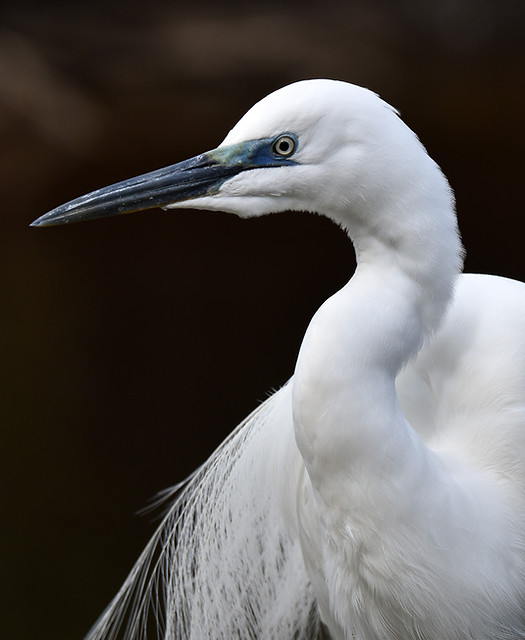
Identification:
The Kōtuku is a tall, elegant bird with long black legs, a long slender neck and a long, sharp bill. Its slow, graceful flight is characterised by its neck being retracted. When walking, it extends its neck and keeps its wings folded neatly against its body. Male and female Kōtuku look alike, with no obvious differences in appearance. During the breeding season, adults develop delicate ornamental plumes across their back, their bill changes from yellow to black, and the skin around the eyes becomes a striking emerald-green. Chicks hatch covered in soft white down before gradually developing juvenile plumage. Juveniles look like nonbreeding adults. Habitat: As wading birds, Kōtuku inhabit shallow freshwater wetlands, lagoons, rivers, estuaries and coastal waterways throughout New Zealand outside the breeding season. Each spring and summer, the entire New Zealand breeding population returns to the protected Waitangiroto Nature Reserve in South Westland, their ancestral and sole breeding grounds. Feeding: A patient and highly skilled hunter, the Kōtuku slowly stalks through shallow water before striking with its sharp bill to catch prey. Its diet consists mainly of fish but also includes eels, frogs, insects, crustaceans and other small aquatic animals. Kōtuku are usually solitary feeders, foraging across a variety of freshwater and coastal wetlands throughout Aotearoa. Calls and Vocalisations: Kōtuku are generally quiet birds, becoming more vocal during the breeding season. They communicate with low croaks, rattles and harsh squawks around the nesting colony, particularly during courtship, territorial displays and when greeting their mates or chicks. Breeding: Each spring and summer, the entire New Zealand breeding population returns to its ancestral and sole breeding ground at the protected Waitangiroto Nature Reserve in South Westland. Pairs build loose platform stick nests in a variety of vegetation, including tree ferns, Pigeonwood, Kāmāhi and kiekie. Females usually lay two to four pale blue-green eggs. Both parents share incubation and chick-rearing duties. Chicks typically fledge after around 10–12 weeks but continue relying on their parents for food before becoming independent. Main Threats: Kōtuku face threats from introduced predators, habitat loss, human disturbance, declining wetland habitats, changing river conditions, reduced food availability, occasional collisions with vehicles and severe weather during the breeding season. Their small breeding population also makes the species particularly vulnerable to disease, environmental change, natural disasters and predation by birds of prey such as the Swamp Harrier (Kāhu) at the nesting colony.
Kōtuku Ngutupapa
Royal Spoonbill
Royal Spoonbills were first recorded breeding in New Zealand alongside the Kōtuku at the Waitangiroto Nature Reserve in 1949, where a small colony continues to breed today.
Order: Pelecaniformes
Scientific name: Platalea regia
Also known as: Australian Spoonbill
Origin: Native
Conservation status: Naturally Uncommon (NZTCS)
Height: 74–81 cm
Weight: 1.4–2 kg
Wingspan: Approximately 1.2 metres
Estimated lifespan: Approximately 15 years
Food: Fish, aquatic insects, crustaceans, worms and other small aquatic animals
Best time to see: October to February at the Waitangiroto Nature Reserve
Interesting fact: While Royal Spoonbills often nest close to the ground elsewhere in New Zealand, those at the Waitangiroto Nature Reserve nest high in the tops of Kahikatea trees above and around the Kōtuku nesting site.
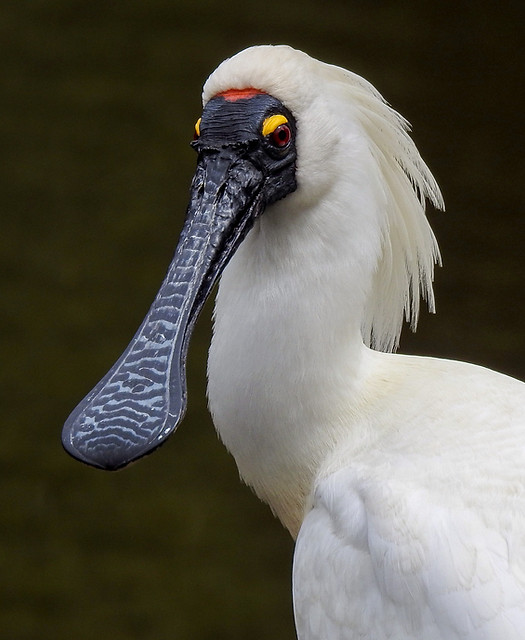
Identification:
The Royal Spoonbill is a large white wading bird with sturdy black legs and a distinctive black spoon-shaped bill. During the breeding season, adults develop long white crest feathers extending from the back of the head and a bright red patch across the forehead. Male and female Royal Spoonbills look very similar, although males are generally slightly larger than females. Juveniles have plain black facial skin, dark eyes and lack the breeding features of adults, with the yellow facial markings above the eyes developing as they mature. Habitat: Royal Spoonbills are found throughout New Zealand and inhabit a wide range of freshwater and coastal wetlands, including estuaries, lagoons, rivers, lakes, marshes and tidal mudflats. They favour shallow waters where food is plentiful. Royal Spoonbills are highly social birds and are often seen feeding, bathing and roosting in groups. During the breeding season, many gather at colony sites such as the Waitangiroto Nature Reserve. Their population has expanded considerably, with the 2024/25 national census recording 4,593 birds across 36 breeding colonies throughout New Zealand. Feeding: Royal Spoonbills feed by sweeping their specialised bill from side to side through shallow water. Sensitive nerve endings inside the bill detect prey, allowing them to snap it shut almost instantly before swallowing their catch. Calls & Vocalisations: Royal Spoonbills are generally quiet birds. During the breeding season, they produce low grunts, croaks and bill-clattering sounds when interacting with mates, defending nests and feeding chicks. Breeding: During courtship, males and females perform elaborate courtship displays, raising their head plumes and clattering their bills. Royal Spoonbills nest in colonies. At Waitangiroto, they build large nests from sticks and vegetation high in the tops of kahikatea trees. Females typically lay two to four chalky white eggs, with both parents sharing incubation and chick-rearing duties. Chicks fledge after approximately seven to eight weeks and continue to rely on their parents for food before becoming fully independent. Main Threats: Royal Spoonbills are affected by wetland loss and degradation, declining water quality, introduced predators, birds of prey such as Swamp Harriers, disturbance at breeding colonies and severe weather, which can reduce nesting success.
Kawaupaka
Little Shag
Breeding closely alongside the Kōtuku, the Little Shag is a sleek wetland bird known for its remarkable diving ability. Its contrasting plumage and breeding crest give it a striking appearance.
Order: Suliformes
Scientific name: Microcarbo melanoleucos brevirostris
Also known as: White-throated Shag, Little Pied Shag, Little Pied Cormorant
Origin: Native
Conservation status: At Risk – Relict (NZTCS)
Height: 55–65 cm
Weight: 500–700 gm
Wingspan: 80–95 cm
Estimated lifespan: Approximately 8 years
Food: Primarily fish, along with small crustaceans and aquatic insects
Best time to see: October to January at the Waitangiroto Nature Reserve
Interesting fact: Unlike ducks, Little Shags do not have completely waterproof feathers, which is why they are often seen drying their wings after diving. This reduced buoyancy allows them to dive more efficiently.
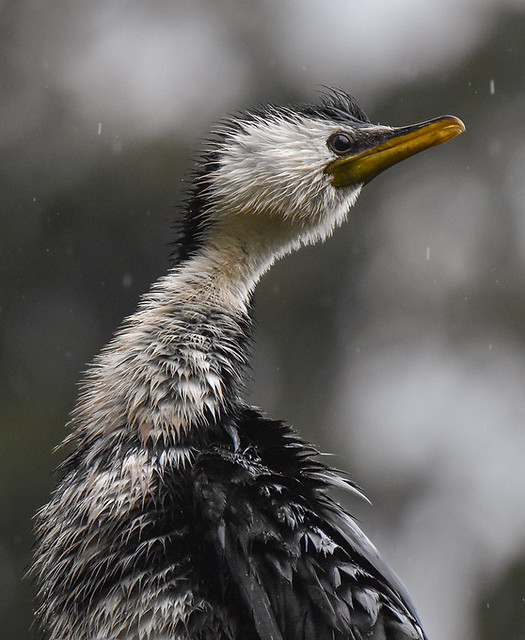
Identification:
The Little Shag is recognised by its small size, black feet, short stubby yellow bill and long-tailed silhouette. It has the most variable plumage of any New Zealand shag. Most adults nesting at the White Heron nesting site are the white-throated form, with white around the face and throat, black upperparts, and a mottled black-and-white belly. Male and female Little Shags look alike, with no obvious differences in appearance. Little Shag nestlings have bare black skin, with a pink scalp and throat. They then develop a black downy stage with a salmon-pink throat pouch before gradually acquiring juvenile plumage. Juveniles are predominantly black, with a dark bill that gradually turns yellow as they mature. Habitat: The Little Shag is one of New Zealand's smallest shag species and is a familiar sight around wetlands throughout the country. Kawaupaka inhabit both freshwater and coastal environments, including lakes, rivers, streams, ponds, estuaries and sheltered coastal waters. Feeding: A skilled underwater hunter, Kawaupaka typically makes a succession of short dives, swiftly pursuing fish beneath the surface using its powerful feet to propel itself through the water. Its sharp, hooked bill is used to catch fish, small crustaceans, and aquatic insects. After diving, Kawaupaka is often seen perched with its wings spread to dry its feathers before returning to hunt. Calls & Vocalisations: Kawaupaka are generally quiet birds, becoming more vocal during the breeding season. Males give soft courtship calls, while both parents greet each other with repeated calls when returning to the nest with food or when changing incubation duties. Breeding: Males perform an elaborate, dramatic bowing courtship display at or near the chosen nest site to attract a female partner. Little Shags then build nests from sticks and foliage, nesting closely amongst the Kōtuku at the Waitangiroto Nature Reserve, likely benefiting from the safety and increased vigilance of the shared colony. Females lay up to five eggs, although typically only one to three chicks are raised. Both parents share incubation and chick-rearing duties. Chicks typically fledge at around six to seven weeks of age and continue to rely on their parents for food and protection after leaving the nest. Main Threats: Little Shags are affected by wetland loss and degradation, declining water quality, introduced predators, disturbance at breeding colonies, entanglement in fishing gear and severe weather during the breeding season.
Other Birds Commonly Seen and Heard
Year-round — Native birds include:
• Kawau Tūī (Little Black Shag) • Warou (Welcome Swallow) • Korimako (Bellbird) • Ngirungiru (South Island Tomtit) • Riroriro (Grey Warbler) • Kererū (New Zealand Pigeon) • Pīwakawaka (New Zealand Fantail) • Tūī • Kākāriki (Yellow-crowned Parakeet) • Kāhu (Swamp Harrier) • Kakīānō (Black Swan) • Mātātā (South Island Fernbird) • Tauhou (Silvereye) • Pūtangitangi (Paradise Shelduck) • Pūkeko (Australasian Swamphen)
Open the gallery below, then select any bird to learn more


Birds Seen Occasionally and Seasonally
Native birds include:
• Kōtare (Sacred Kingfisher) • Pīpīwharauroa (Shining Cuckoo) • Kārearea (New Zealand Falcon) • Kuruwhengu (Australasian Shoveler) • Pīpipi (Brown Creeper) • Pāpango (New Zealand Scaup)
Open the gallery below, then select any bird to learn more


Birds to look Out for during our drive
Year-round — Native birds include:
• Pūtangitangi (Paradise Shelduck) • Pūkeko (Australasian Swamphen) • Weka (Buff Weka) • Tūturiwhatu (Masked Lapwing) • Poaka (Pied Stilt) • Tōrea Pango (Variable Oystercatcher) • Tōrea (South Island Pied Oystercatcher) • Kea • Parera (Grey Duck) • Kōtare (Sacred Kingfisher) • Pīhoihoi (New Zealand Pipit) • Mātuku Moana (White-faced Heron) • Pohowera (Banded Dotterel) • Kārearea (New Zealand Falcon) • Kāhu (Swamp Harrier) • Karoro (Black-backed Gull) • Matuku Hūrepo (Australasian Bittern) • Kōtuku Ngutupapa (Royal Spoonbill) • Kawaupaka (Little Shag) • Māpunga (Black Shag) • Kōtuku (White Heron)
Year-round — Introduced birds include:
• Mallard • Chaffinch • Redpoll • Eurasian Skylark • Yellowhammer • Greenfinch • European Goldfinch • House Sparrow • Blackbird • Song Thrush • Australian Magpie • Canada Goose • Cattle Egret
While exploring the Waitangiroto area, keep your eyes open for unexpected visitors.
Recent rare and memorable sightings include:
• Four Kakī (Black Stilt) — September/October 2026
• Two Kakī (Black Stilt) — November 2025
• Glossy Ibis — November 2025
• Two Kakī (Black Stilt) — October 2024
• Pacific Heron — January 2024
Our tours follow ethical wildlife viewing practices, ensuring all birdlife is observed respectfully with minimal disturbance.
